
The benefits of produce are enormous, from the nutrients that keep us healthy and ward off disease, to the delicious taste of all our favorites; but the advantages of our produce doesn’t end there. At the end of their very delicious and nutritious service, fruits and vegetables can be used to create compost for a healthy garden. Here are some helpful composting tips…
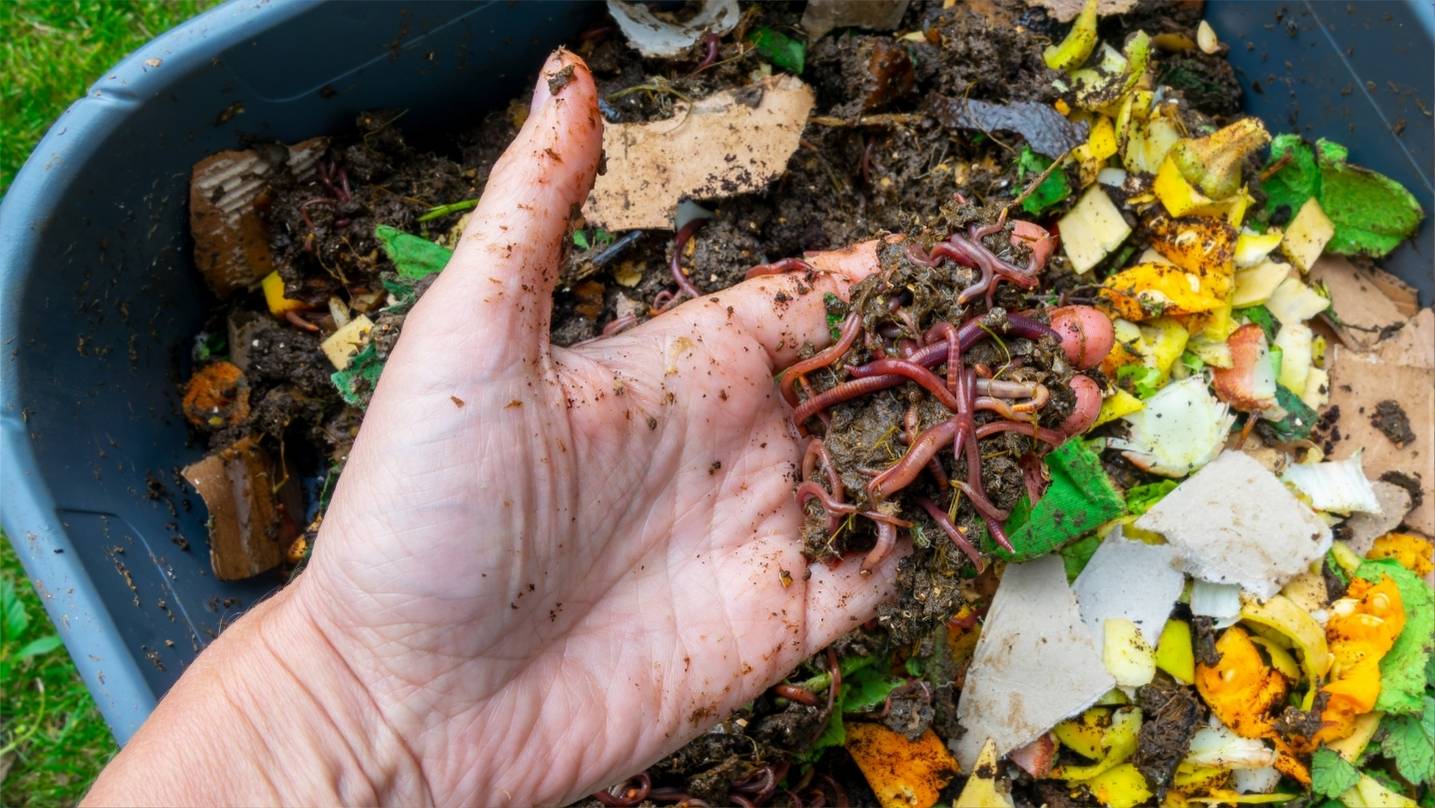
It generally takes about two to six months for decomposition to take place and your compost pile to be ready. For quicker decomposition, chop your produce into smaller pieces and remove any pits or seeds from your vegetables and fruits.
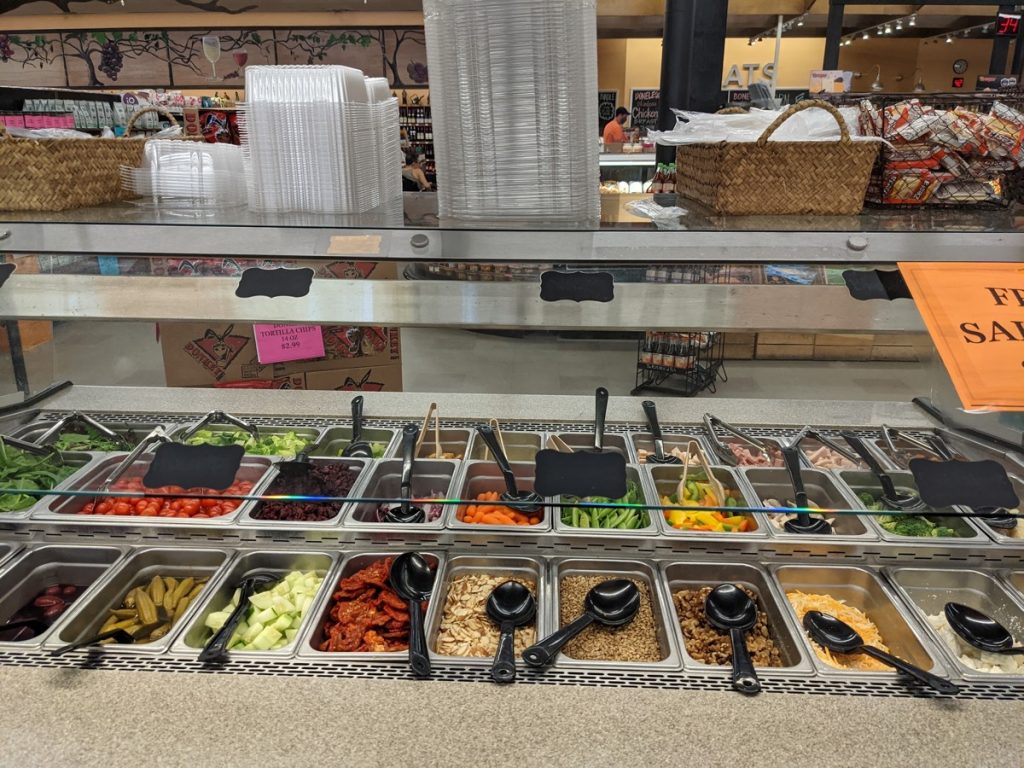
The best way to compost is to alternate layers of nitrogen-rich produce scraps with dried leaves which are rich with carbon. Some of the best vegetables for composting include leafy greens like lettuce, spinach and kale. Broccoli, asparagus and cabbage are great for composting too. While root vegetables, such as carrots, beets, radishes and all sorts of potatoes, are slower to decompose, they can also be nice additions to a compost pile. Try to use only about half of the amount of root vegetables as greens. Fruits can also be composted, but keep in mind that citrus fruits can slow down the decomposition process and the more pungent the aroma of your fruit, the more pests you may attract.
You want to turn your compost pile regularly for aeration and it should be moist, but not sopping wet. If compost is too wet or lacks sufficient airflow it can throw off your compost balance and cause odors.
Now off you go to enrich your soil and grow healthy plants!